Recipe: Optimized LCSM
Standard LCSM misses some known diastatic strains. That's no good. Here's the fix.

Jun 28, 2025
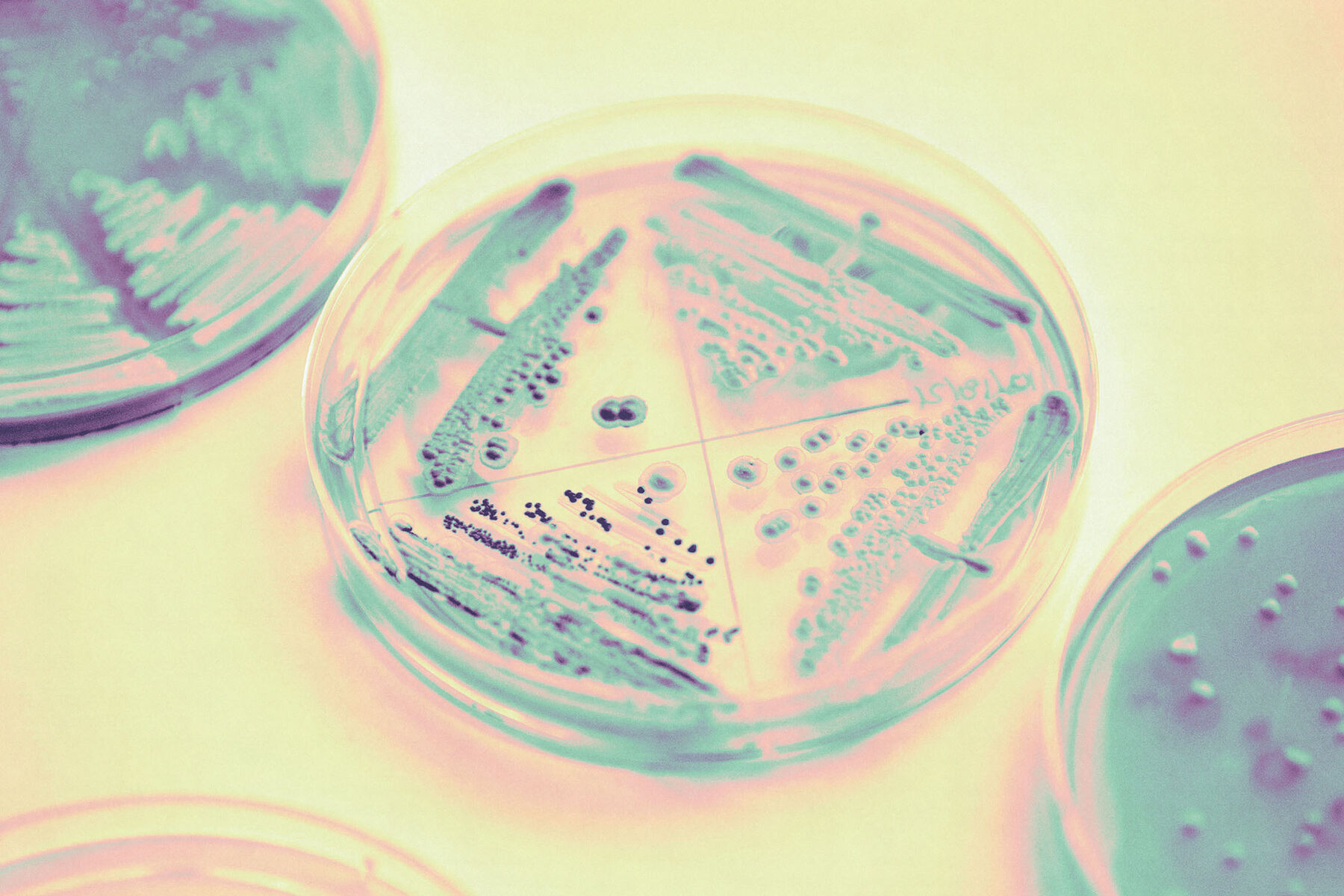
The problem
If your lab team is preparing LCSM to screen for diastatic contamination using the standard commercial recipe, you may not be covered as well as you think. That’s a scary thought considering how disastrous a diastatic cross-contamination could be. In experiments, Omega Yeast’s researchers have shown, surprisingly, that standard commercial LCSM is routinely repressing the growth of quite a few known diastatic brewing strains. That means the media is allowing a number of dangerous false negatives.
The fix
Below is a new, more effective formulation for LCSM — tweaked by Omega Yeast to prioritize the growth of known diastatic strains. The research team essentially lowered the amount of copper compound, which allowed more known diastatic strains to register properly. Consequently, more non-diastatic strains with higher-than-average copper resistance pop up as false positives — and that’s a much, much safer situation to be in.
Recipe
Omega Optimized LCSM
| Ingredient | 1L | % | ||||
|---|---|---|---|---|---|---|
| Agar | 15 g | 1.5% | ||||
| Dextrose | 10 g | 1% | ||||
| Yeast extract | 4 g | 0.4% | ||||
| Dried malt extract | 2 g | 0.2% | ||||
| Yeast peptone | 2 g | 0.2% | ||||
| Dipotassium ortho-phosphate | 1 g | 0.1% | ||||
| Ammonium sulfate | 0.5 g | 0.05% | ||||
| Cupric Sulfate | 5 mL of 10% sterile stock solution | 0.05% |
Process
For a 1 L batch, weigh out each component, minus cupric sulfate, and add to a 1 L autoclavable Pyrex jar. Fill the jar to the 1 L mark with DI water. Thoroughly homogenize the solution using a stir plate. Loosely cap the jar, allowing pressure to release, and autoclave at 121℃ for 30 minutes on liquid cycle. After the autoclave cycle, allow the media to cool to roughly 55℃, then add 5 mL of 10% sterile cupric sulfate solution (the cupric sulfate is never heated and never autoclaved). Homogenize on a stir plate and aseptically pour media into sterile petri dishes. Let plates rest until solidified, then flip over and allow them to set.
Notes
- Timing: Do not use the plates right away. They’ll be too permissive. The sweet spot begins 24 hours after you pour the plates and continues up to 5 days from pouring. After that, they begin to drift, meaning false negatives could start to appear.
- Consistency: Be extremely rigorous in maintaining the same way of doing things once you find the conditions that work well. There’s some evidence that autoclave time affects outcomes, so always autoclave for the same amount of time.
- Controls: Always include negative and positive controls so you know your plates are doing what you expect them to.
- Multiple methods: LCSM is a great ‘first step’ in screening for diastatic contamination, but it’s best when used in conjunction with genetic screening, such as qPCR for the STA1 gene to be certain what you’ve been alerted to is actually a problem.
READ MORE
Related Collections


