Sweetness is a Powerful Motivator. Why?
Sweetie, sugar, honey... it is our strongest sense.

Aug 26, 2025
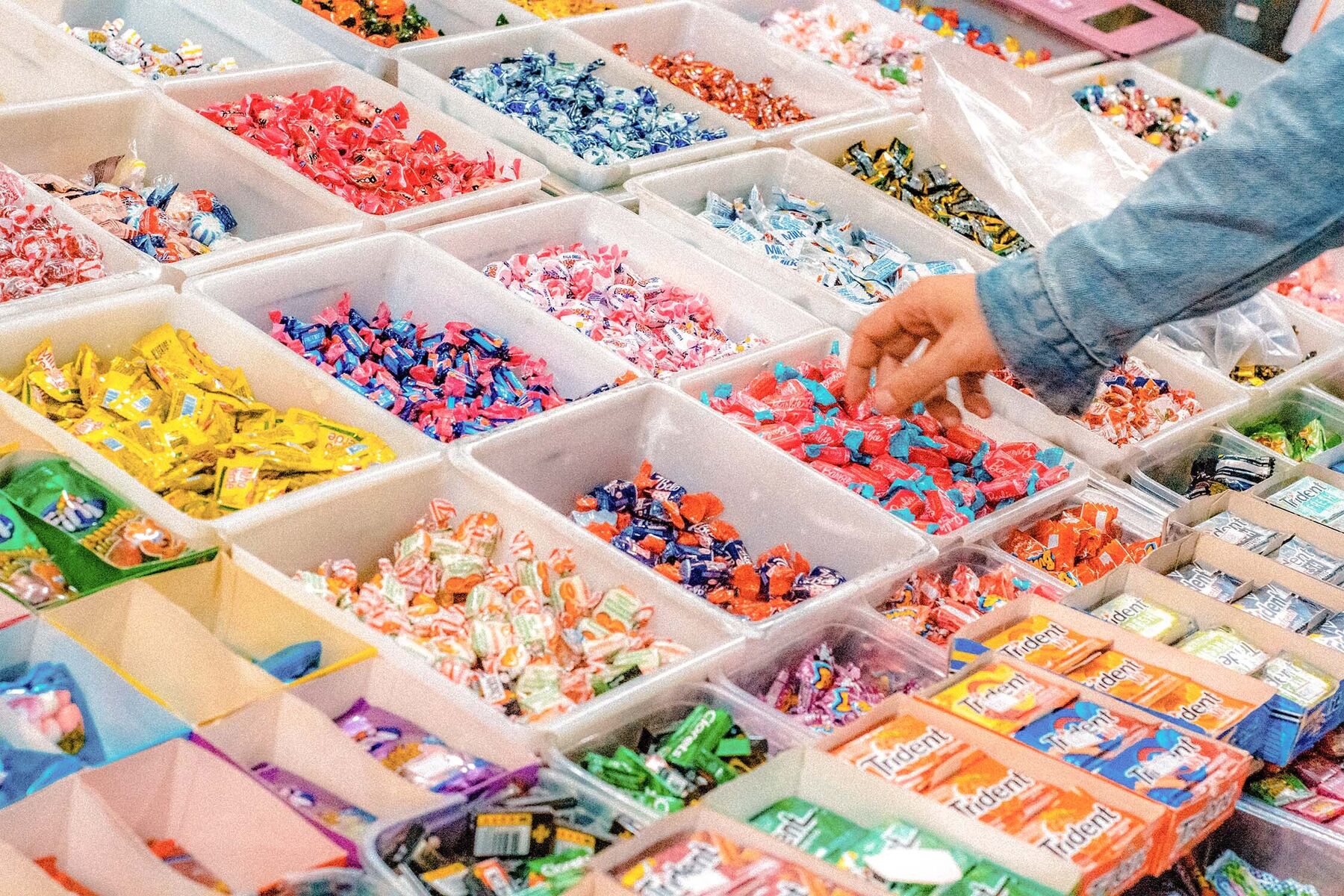
Strongest sense
The human sensory system has more receptors for sweet, and therefore receives more information about sweetness, than any other taste and/or flavor profile we perceive. Our ability to detect bitterness, sourness, saltiness, etc — though it all varies from person to person — are all generally proportionally less than our ability to perceive sweetness.
Perceiving sweetness seems to be built genetically into our sensory systems in complex and redundant ways (and in more places than just our tongue, by the way). That gives you a sense of how important of a genetic development it is. Even if scientists don’t know definitively why it happened the way it has, they have plenty of intelligent guesses:
Innate
From birth, people (babies) are pleased by sweet flavors from sugars. It is considered innate. Sweetness has been shown in some applications to reduce perception of pain and stress. There are yet other studies that indicate there is not any saturation of sweetness that children find too sweet.
Some studies have suggested, evolutionarily, sweetness could have helped us value plant foods with more available energy, like fruit, which was an advantage because good glucose sources are important for brain function, among a lot of other things.
Hedonic and Preference
Interestingly, sweeteners not composed of sugars don’t give us as much of a sense of pleasure, evne if they are qualitatively as sweet. Symbiotically, naturally occurring sugars tend to be used by a plant to attract consumption by plant-eating animals (like us) for things like seed dispersal.
These are both examples of why researchers suspect we’re coded to love sugar and sweetness so deeply that it’s an emitional connection — but it’s nowhere near the full story.
In sensory science, the degree to which a flavor and/or aroma is pleasing gives it its “hedonic” value. The root of the word hedonic is related to pleasure. Likability is not the end all be all of a sensory experience, however (which may be surprising to some). It’s just one powerfully motivating part.
Sensing bitterness, for example, is just as motivating, but as an aversion (often) rather than a preference. Aversion to bitterness is also considered innate.
Some think perception of bitterness could have evolved in order to successfully identify dangerous, toxic plants. But plants with helpful, medicinal properties are also often bitter.
A Golden Ratio: Combination and Complexity
That brings us to the idea of a value for combination and complexity specifically:
Interestingly, bitterness and sweetness are kind of a duo; they have a dynamic that may be evolutionary, too. They tend to be mutually suppressive — meaning scientists have observed that bitterness reduces the perception of sweetness, and vice versa.
The ways in which things we ingest create sweetness and bitterness to our senses are varied. It could be that this accounts for our sense of something’s complexity when sweet and bitter profiles interact.
There’s some evidence that a ratio of bitter to sweet is a better indicator of quality food sources than sweetness alone. That, and some other things would suggest that we’re hardwired to value sensory profiles in combination, specifically.
Mouthfeel
In addition to tastes and aromas we’re aware of (to which umami and savory have been added only recently, by the way) there are other things that have an impact: fat and starch, for example. Their impact is not really described by our current list of sensory descriptors. Perhaps this is partly why the word “mouthfeel” is so important.
Mouthfeel is in addition to the concept of feeling texture through other means, like specifically with the hand, or otherwise feeling something elsewhere on one’s skin. And what about temperature? Temperature affects the intensity of how the things we can taste, taste. This could also bring a sense of mouthfeel because of what temperature is doing to compounds’ structures and therefore their interaction with our various receptors.
Flavor as Recreation: Playing Sensory “Simon”
While both environmental factors and evolutionary purpose may have set up our palette’s priorities originally, and in ways we’re still discovering (things about sweetness and bitterness are still better understood than saltiness and sourness, for example) our sensory experiences throughout our lives can train it differently. Now that we have these systems in place, we also play with them recreationally — meaning we don’t just interpret things with our senses for survival.
Combinations of flavors and aromas give us a load of information. And this information is connected to feelings that can motivate, entertain, fascinate, delight (and put us off. And most of us love taking it all out for a spin, and playing a symphony of sensory experiences. We tend to delight the most, and ultimately mature into, complexity.
That’s perhaps not news to us, here, since we as brewers and beverage-makers — the summarily sensorily obsessed — basically devote ourselves to things that are built just to play a really great game of flavor-Simon.
However, the idea that sweetness is one of the most influential flavors of them all, well, that may be a new and interesting detail.
And it’s not just about sweetness itself, it’s also why a little bit of sweetness helps make other flavors pop, too.
